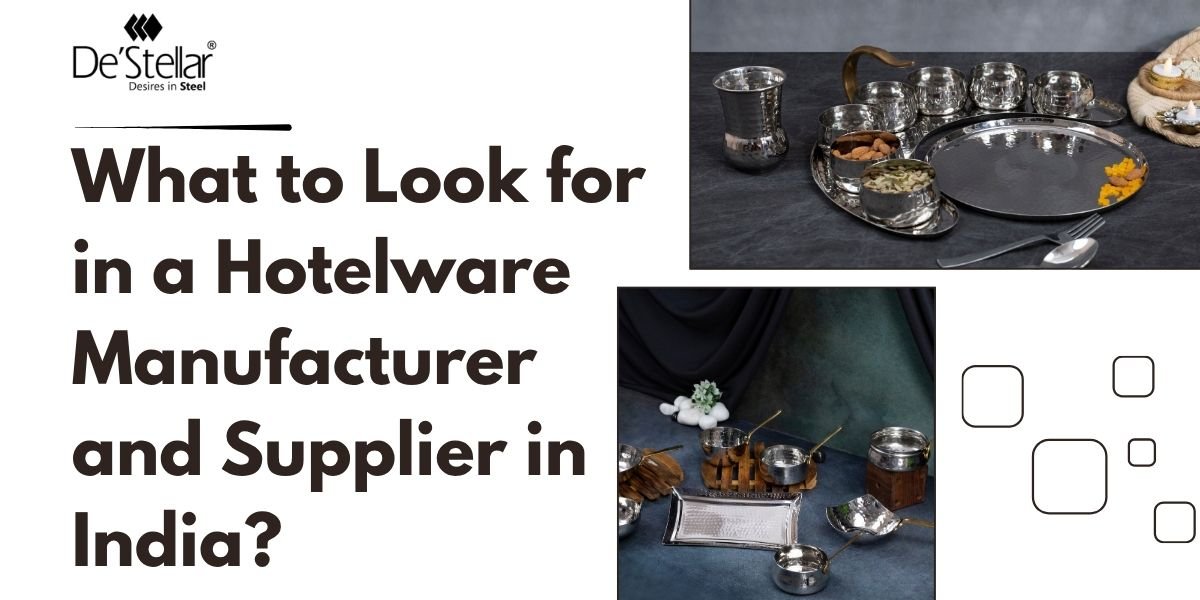
Choosing hotel supplies is not simply a matter of checking prices. Hotels need things that can stand up to daily use. And they need products they can depend on when they’re busy. Bad dishes can cause extra costs for replacements that aren’t necessary. It is a lot easier to get things when you have the right supplier.
Every batch that comes in should be of the same quality. Also, the products must be appropriate to each hospitality setting. So there are some things you should know before you put your order in. A hotelware manufacturer that supplies hotel supplies makes this process easier.
Hotelware is worked over and over every working day. People eat and they expect the dishes to be clean every time. Staff also need products that can withstand regular use. Poor materials can cause problems with replacement and maintenance. Stainless steel is tough enough for harsh conditions. It also finds good use in busy tourism business.
Choose materials that can be used again and again in commercial hospitality applications. Avoid products intended for home use, and for occasional needs. When buying things, ask the sellers what materials they use. As for properties, good materials have a longer life span. That reduces the breaks that come from having to replace products often.
Hotels usually order the same items over different business times. The products should be very similar to the ones sent previously. Differences may exist in the way food is presented and served. They could also make it more difficult to buy checks. Early on, ask providers how they guarantee the quality of their work. See how products are tested before they are shipped.
Consistency is important, especially when working on large catering projects. It is also important when you are extending an existing hotel. Dependability of the hotelware supplier in India should be consistent. Their methods should be capable of dealing with return sales without problem. This means procurement teams are more confident when they are preparing plans.
Guests notice the tableware more than a lot of business owners think. Visible marks can influence the general impression of cleanliness. Uneven finishing can also make a product look less appealing. Generally, the food displays are better when the goods are well finished. They have to keep doing the advertising work over and over again to stay good looking. Ask the suppliers how they finish the products you are looking to buy.
See what the surfaces look like after regular professional cleaning. You also need to consider how you will manage requirements in your operation. A good supplier of dining dishes should show how to care for it. That information helps teams to choose goods more confidently. A better finishing helps to keep the appearance constant even if the operations are busy.
Cheap things look like a good deal at first. Low prices don’t necessarily mean you’ll be saving. Constantly replacing things can cost more in the long run. Staff may also have a problem with broken items for a while. That adds to the stress during busy service periods. Products that last longer greatly reduce the need for frequent replacements.
They also help restaurants operate more efficiently on a daily basis. Procurement teams need to be thinking really hard about how a product will play out in the long run. Price still should only be one of many things that matter. An honest seller can talk about major differences between products. So users can compare worth instead of price.
First, make a list of all the product categories you need. Specify your requirements for food service, service, banquets and room service. Distinguish essential goods from scarce needs. Then decide how many you need based on real business demand. Look at what you already have in stock before deciding what else to buy. This saves you from ordering and storing more than necessary.
It also helps sellers to sell information more easily. Clear needs will make it much better to compare quotes. They can also lessen the amount of contact needed to be repeated again and again during buying. Before you ask for a final price, be clear about what you want. When you are better prepared it makes the buying process go smoother from the start.
Choosing hotelware is about more than just the price. Hotels require products that are dependable in quality, reliability and supply. They also need help that’s quick to respond while they’re in the buying stage. Many practical problems can be avoided by a careful review of suppliers.
It can also improve guest dining experiences. Consider materials, finish, capacity, documentation and customer support. These things help people make better choices about what to buy. If you need reliable hospitality products get in touch with De Stellar. Call a trusted hospitality tableware supplier today and discuss your needs.
Hotels should take into account the quality of the materials, the construction, the finish and the usability. Samples can show how something performs in practice, before larger orders. This approach helps buying teams avoid paying for replacements all the time.
Yes, samples are provided to teams to preview products. The staff can rate the weight, finish, ease of use and handle of the item. You can use their feedback to work out practical problems before buying in larger quantities.
Only compare quotes where the product specifications are identical. Verify size, style, quantities, taxes, shipping terms and materials. That makes a good comparison, not just on price.
Delays may be due to a lack of stock, to customization, to shipping issues or to confusing instructions. Add seasonal changes in demand. Procurement teams can address these problems by getting ahead of them.
5. How Much Hotel Equipment Should a Business Buy?
The requirements vary depending on the number of guests, the size of the restaurant, the food, the events, the way service is provided. First, scan the stock. Then determine how much you actually need based on your realistic operational demand and replacement needs.