A Practical Guide to Selecting Tableware for Different Food Service Operations
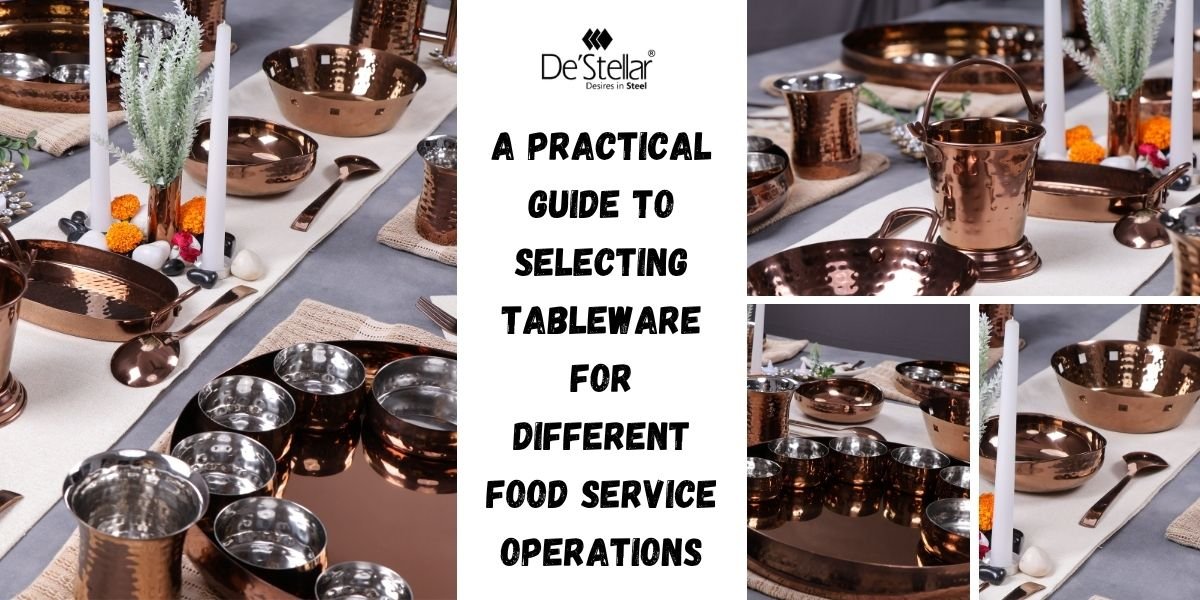
Selecting the right tableware depends on how food is prepared, presented, and served. A hotel restaurant, a casual dining outlet, a buffet, a banquet hall, and a catering business can all have different requirements. The right products should match the menu, service style, customer volume, and daily operating conditions.
For businesses planning a hotel dining setup, understanding these differences makes purchasing easier. A well-planned selection can also support consistent presentation, smoother service, and more efficient inventory management.
Understanding Tableware Requirements by Food Service Type
There is no single tableware collection that works for every food service operation. Each business should begin by identifying how customers are served and which products are used most frequently.
For example, a restaurant serving individual meals may need more dinner plates and portion bowls, while a buffet operation may require larger serving pieces and presentation products.
Before selecting products, consider:
- Menu And Portion Sizes
- Number Of Guests Served
- Service Frequency
- Table Turnover
- Cleaning And Storage Capacity
- Type Of Food Presentation
- Expected Daily Usage
These factors help businesses build a practical collection without purchasing products that are rarely used.
Tableware for Restaurants
Restaurants generally need a combination of dinnerware, bowls, serving ware, and beverage service products.
Main plates are used for regular meals, while smaller plates can be suitable for starters, sides, snacks, or breads. Bowls can be selected according to the type of food served, such as curries, soups, desserts, rice, or individual portions.
Restaurants should also consider serving bowls and platters when the menu includes shared dishes. The size and quantity should reflect actual customer demand rather than simply matching the number of seats.
Tableware for Hotel Dining
A Hotel Dining Setup often requires a broader selection because hotels may operate restaurants, breakfast areas, room service, buffets, banquets, and special events.
The tableware selection can vary between these areas. A breakfast restaurant may require different products from a formal dining area, while banquet service may need larger quantities for simultaneous guest service.
For hotels, consistency is particularly important. Using coordinated products across dining areas can help maintain an organized appearance and simplify future replacement.
Tableware for Buffet Service
Buffet operations have different requirements from traditional table service because guests select food from a central serving area.
Along with plates and bowls, buffet operations may need:
- Large Serving Bowls
- Serving Platters
- Displayware
- Chafing Dishes
- Serving Accessories
The size of each item should be considered carefully. Large serving pieces should provide enough capacity without making the buffet area difficult to organize.
For businesses handling regular buffet service, selecting products that are easy to maintain and replenish can support smoother operations.
Tableware for Catering and Banquet Service
Catering businesses and banquet operations often serve a large number of guests within a limited period. Quantity planning therefore becomes especially important.
Products should be selected according to the type of event, menu, guest count, and service format. Catering businesses may also need additional stock because the same products can be required at different events.
Durability, easy handling, storage, and consistent availability are useful considerations when building a catering tableware collection.
How to Match Tableware With the Menu?
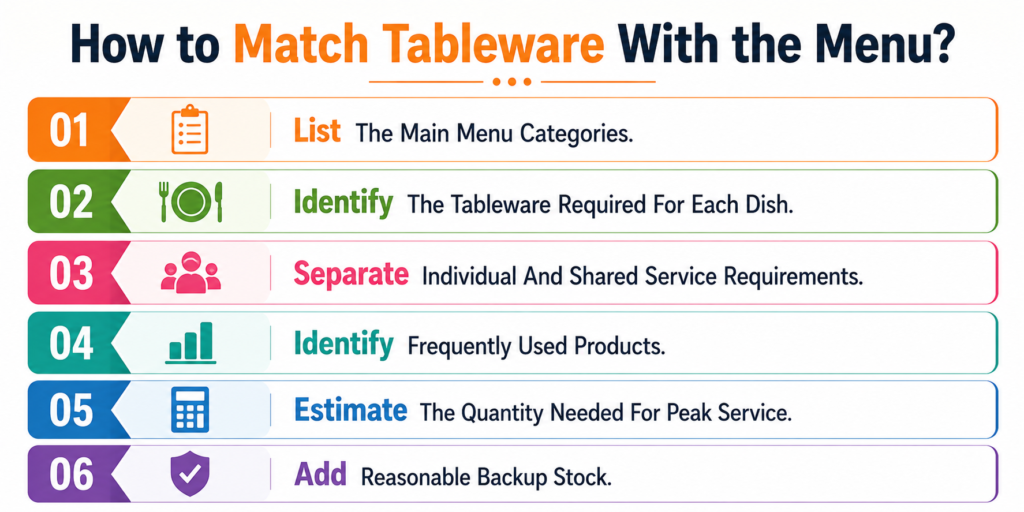
The menu should be one of the first things considered when selecting tableware.
A restaurant serving curries and rice may require a combination of plates and bowls, while a restaurant focused on shared starters may need more serving platters.
Use the following approach:
- List The Main Menu Categories.
- Identify The Tableware Required For Each Dish.
- Separate Individual And Shared Service Requirements.
- Identify Frequently Used Products.
- Estimate The Quantity Needed For Peak Service.
- Add Reasonable Backup Stock.
This process can prevent over-purchasing and make bulk procurement easier.
What to Consider When Buying in Bulk?
Bulk purchasing requires more than choosing products based on appearance or price.
Businesses should review:
- Material And Construction
- Product Dimensions
- Capacity
- Finish
- Quantity Availability
- Packaging
- Lead Time
- Storage Requirements
- Replacement Availability
- Supplier Experience
For commercial hospitality operations, consistent product specifications can make future replacement and expansion easier.
De’Stellar provides stainless steel tableware and hotelware for restaurants, hotels, catering businesses, and other hospitality buyers. Businesses can explore the commercial product range to review suitable categories for their requirements.
Final Thoughts
Selecting tableware according to the type of food service operation helps businesses create a more practical and organized setup. Restaurants, hotels, buffets, catering companies, and banquet operations each have different requirements, so purchasing decisions should be based on actual service needs.
A carefully planned collection can also make bulk procurement, storage, replacement, and future expansion easier. Explore the stainless steel tableware range or contact the team to discuss commercial hospitality requirements.
FAQs
1. How Do I Choose Tableware for a Restaurant?
Start with the menu, service style, guest volume, and types of food being served. Then select plate, bowl, serving, and beverage products based on actual usage.
2. What Tableware Is Needed for a Hotel Dining Setup?
Hotels may need dinner plates, side plates, bowls, serving ware, beverage products, buffetware, and specialty items depending on their restaurants and dining services.
3. What Tableware Is Best for Buffet Service?
Buffet operations commonly require plates, bowls, large serving pieces, platters, displayware, and suitable buffet equipment. The selection depends on the menu and number of guests.
4. What Should Catering Businesses Consider When Buying Tableware?
Catering businesses should focus on quantity, durability, easy handling, storage, product consistency, and reliable availability for future events.
5. Why Is Hospitality Service Planning Important When Buying Tableware?
Good hospitality service planning helps businesses match products with their menu, customer volume, service style, and daily operations. It can also reduce overstocking and product shortages.